




My deep cleanings at the dentist are too long and painful, so I decided not to return to that dental practice. I am concerned because I know the cleanings are for gum disease, but I cannot take them. My sister recommended asking for sedation, but I don’t want to return to this dentist. I have two recommendations from coworkers who like their dentist, but I would like to ask about sedation first. Will a dentist be willing to sedate me before a deep cleaning? Also, my appointment seemed so long. How long should a deep cleaning take per appointment? Thank you! – Wendalynne
Wendalynne,
Thank you for your question. Your description of the pain you have experienced sounds like it may have another cause, and we are concerned. Untreated gum disease can cause loose teeth and even tooth loss. It is good that you will continue deep cleaning despite your negative experiences.
Can You Get Dental Sedation for a Deep Cleaning?

Dental sedation relaxes you during dental deep cleanings
Yes, you can get dental sedation for deep cleaning. Before selecting a new dentist, ask the scheduler about the types of sedation offered. You may prefer to schedule a consultation with a dentist first to discuss your concerns, pain, and anxiety level.
How Long Does a Dental Deep Cleaning Take?
A deep cleaning at the dentist takes an average of 45 minutes. Depending on the extent of gum disease, you may have separate appointments for each side of your mouth. Scheduling two visits instead of a prolonged session can make your treatment more comfortable.
Why Are Your Deep Cleaning So Painful?
Deep dental cleanings can be painful if the treatment provokes an active infection. A dentist can calm your symptoms from an aggressive infection with the following steps:
- Prescribe antibiotics for you to take throughout your treatment
- Shorten treatment sessions to promote your comfort
- Offer sedation to help you relax and have less sensitivity to pain during treatment
Second Opinion for Gum Disease and Deep Cleanings
If you cannot find a dentist experienced in treating gum disease, you can visit a periodontist (gum specialist). Explain your experiences to your new dentist and ensure you are comfortable with the dentist’s response to your concerns and willingness to provide sedation.
Sugar Land, Texas, dentist Dr. Siny Thomas sponsors this post.

 After an oral surgeon removed all four wisdom teeth in early August, my nose started running with yellow mucus, and my cheek was swollen. I expected some swelling, but I called the oral surgeon when the yellow discharge came out of the tooth socket. The doctor said that I had a sinus perforation and prescribed Augmentin. I returned for a CT scan, and the doctor said my sinus was still infected, so I began a Z-pack.

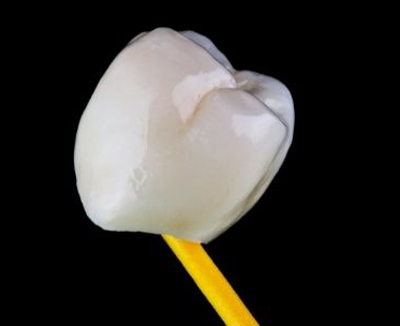
 In February 2021, a cosmetic dentist placed zirconia crowns on two of my molar teeth. He used a lot of water to protect some of my surrounding teeth. It was hard for me to breathe, I was throwing up water, and the dentist had to stop the procedure for 30 minutes until I was calm again. The whole ordeal strained my throat and affected my speech. And I had lingual nerve damage that lasted almost a year.
 After getting three new crowns last month, my bottom left second molar became so painful that it caused headaches. My dentist took an x-ray and said the tooth was infected, and I would need a root canal. After the root canal, my dentist said she found four canals. Despite antibiotics, the tooth continues to hurt.
 I’ve had to find a new dentist due to several issues with the previous dental practice where I was a patient. I’m 65+ with limited income and feel that my new dentist is trying to upsell me. How can I handle my pushy new dentist? I have all my natural teeth and never had a cavity. I agreed to an oral cancer screening during my exam and cleaning, which I paid for out of pocket.